
What Your Brain Already Knows About Democracy
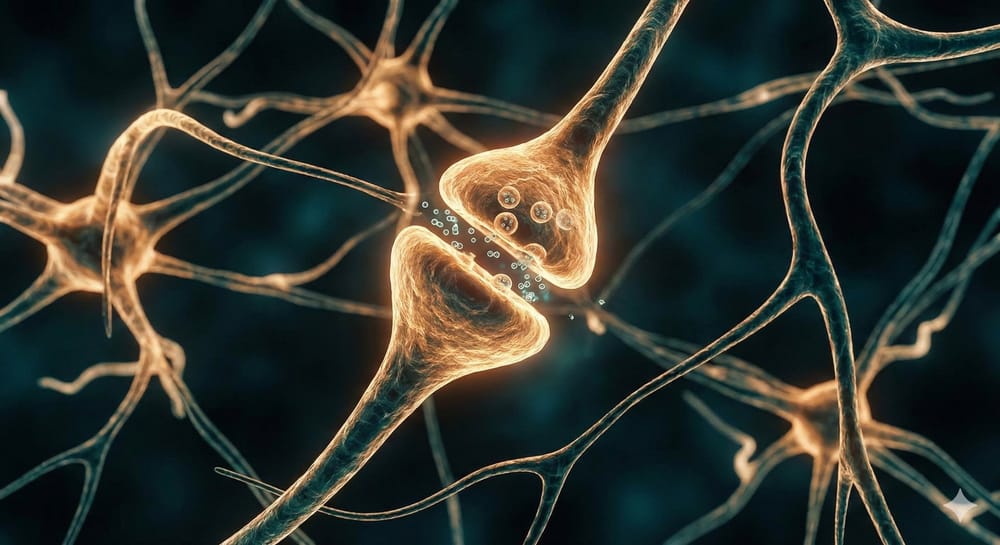
Your brain doesn't vote the way Congress does.
When you touch a hot stove, your hand doesn't wait for your prefrontal cortex to hold a committee meeting, weigh the evidence, and issue a binding resolution. The pain receptors in your hand send a signal so urgent, so weighted by their direct proximity to the threat, that your arm moves before your conscious mind even registers what happened. The cortex confirms the decision after the fact.
This is neural-democracy in its most basic form. The neurons closest to the issue — literally the ones being burned — have their input weighted more heavily than the neurons elsewhere in the body that aren't immediately affected. The decision is fast, appropriate, and responsive to who's actually impacted.
Now imagine applying this principle to how humans govern themselves.
In a standard democracy, every vote on every issue counts equally. The person living next door to a proposed construction site has exactly the same say as someone across town who'll never see or hear it. This sounds fair in theory. In practice, it means the people most affected by decisions are routinely overridden by people with strong opinions but no skin in the game.
NUC's neural-democracy changes this through what we call "input bias" — the weighting of votes based on each person's relationship to the specific issue being decided. If a community is voting on building a house, the people who will live in it get weighted at 2.5 votes. The neighbors get 1.5. Everyone else gets 1. These weights aren't fixed — they're continuously adjusted by the community itself as they learn what works.
But it goes further. Our system doesn't just vote once and call it done. Like a brain processing information continuously, our votes are ongoing. An issue stays open for weeks or months, with participation thresholds and sustained-majority requirements that prevent snap decisions driven by momentary emotion. We call this the "Frame Effect" — a decision isn't made until enough people have weighed in, with enough sustained agreement, over enough time.
Your brain already knows this is how good decisions get made. Neural-democracy just applies what biology has spent millions of years perfecting.